Deep Creek Lake & Maryland Destination Wedding Photography
The Unpredictable Canvas of Outdoor Weddings
A photographer treading water in a wetsuit to document a wedding regatta is not a theatrical flourish. It is sometimes the cleanest way to keep the photograph honest.
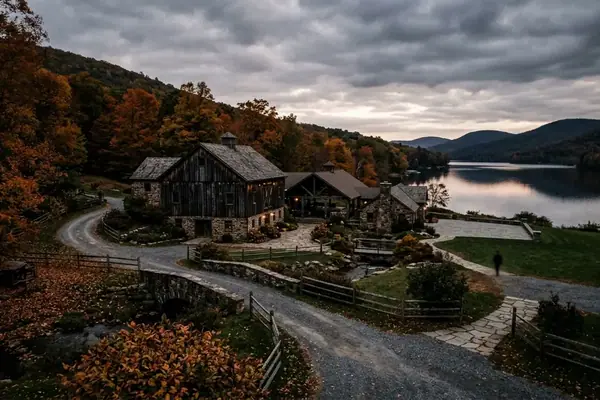
Mid-Atlantic destination weddings ask for elegance while refusing to behave like studio assignments. Wind changes the line of a veil. Lake glare lifts exposure without warning. A coastal reception can carry the emotional residue of a storm that passed only days earlier. The central problem is not whether outdoor weddings can look refined; they often do. The harder question is whether the photographer can preserve that refinement while the environment keeps renegotiating the terms.
A water-level perspective can make a regatta wedding feel lived rather than merely observed.
Defining the Candid & Stylish Method
Karlo Photography treats the Candid & Stylish approach as a field methodology, not a filter applied after the fact. The candid portion requires physical proximity to unscripted behavior. The stylish portion requires disciplined framing, controlled exposure, and enough editorial restraint to avoid turning a real event into a costume piece.
The case material here is not a controlled environmental study; it is a field-based reading of weddings where weather, venue, and client history shaped the photographic process. That distinction matters. A destination wedding in Deep Creek Lake, Maryland, does not reward rigid shot lists. It rewards preparation that can move with the water, the light, and the couple.
Bottom Line: Outdoor wedding photography becomes credible when the method accepts environmental pressure instead of editing it out of the story.
Methodological Adaptation at Deep Creek Lake
Carrie and Tyler’s wedding at Deep Creek Lake, MD, made the usual shoreline strategy feel too distant. Their narrative was not simply nautical in theme; it was embedded in the mechanics of competitive sailing.
Tyler began sailing in 2001 and qualified for the Olympics in 2004. That history changed the photographic brief. The Flying Scot Sailboats were not decorative background objects. They were part of the couple’s shared language, which meant the camera needed to work from an angle that respected speed, waterline, and the close spacing of the regatta.
Why the Water Position Mattered
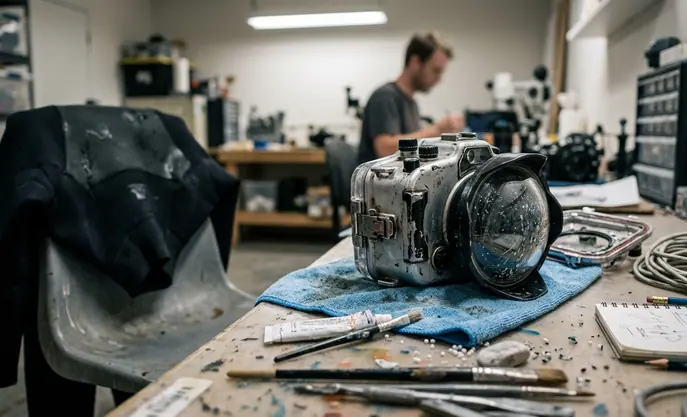
The first technical option was a motorized chase boat. It offered dry working conditions and easier gear control, but the engine wake would have disrupted the sailboats, and the elevated perspective felt detached from the action. The working solution placed the photographer in the water with a wetsuit, protective equipment planning, and a composition strategy built around low-angle movement.
That decision changed the whole day’s schedule. The aquatic coverage required a rapid equipment transition protocol so the team could move from lake exposure to formal reception coverage without losing the thread of the event. Primary camera bodies had to be dried, lenses swapped, and handling surfaces cleared before the couple’s arrival. The turnaround window was somewhere around 45 minutes.
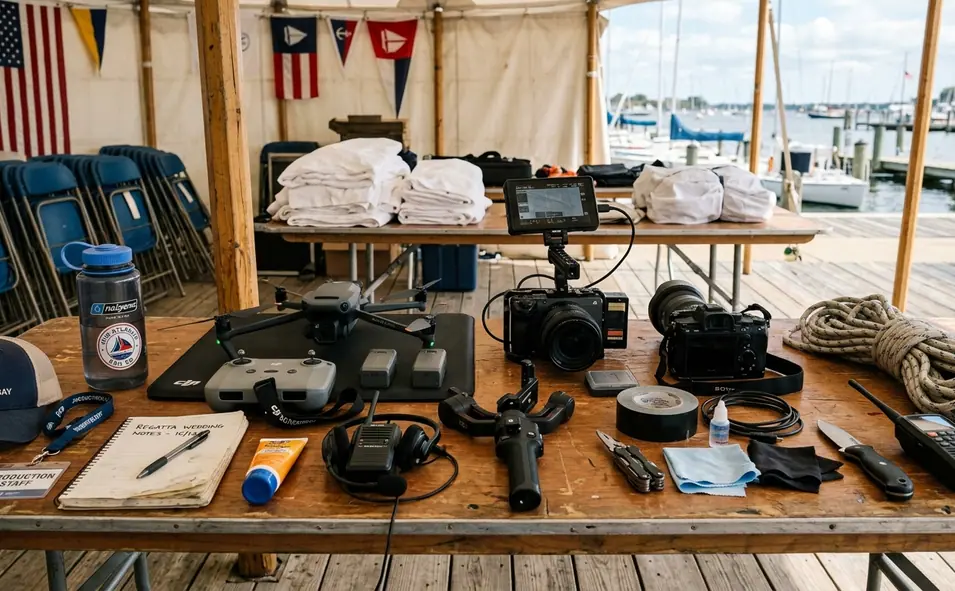
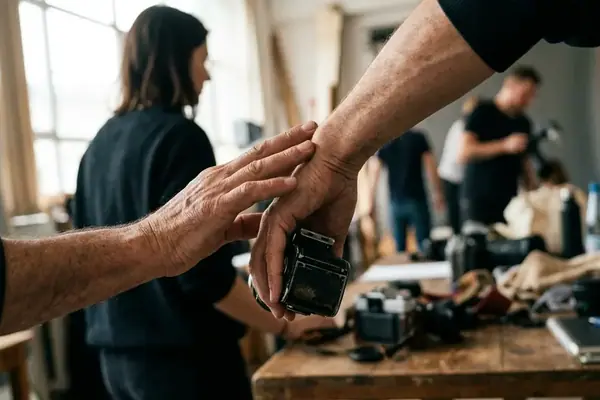
Field Note: The practical kit for aquatic and environmental wedding coverage should include a neoprene wetsuit, in the neighborhood of 3mm for extended water exposure; custom underwater housing for the primary camera body; silica gel packets distributed throughout secondary gear bags; microfiber towels; and lens blowers.
In practice, this is where destination wedding photography becomes less about spectacle and more about sequence control. A single lake photograph may look effortless. The work behind it is a chain of small, timed protections that allow the next part of the wedding day to remain polished.
Environmental Resilience on the Delaware Coast
The November 2012 wedding of Lauren and Steve in Lewes, DE, carried a different kind of environmental pressure. Hurricane Sandy had recently moved through the region, and the coastline was still recovering.
Photographing a celebration in that setting required ethical judgment as much as technical judgment. The camera could not pretend the storm had no aftermath. It also could not let background disruption dominate the couple’s wedding record. The visual solution was restraint: tight, intimate focal lengths that emphasized proximity, expression, and resilience while deliberately minimizing the impact of debris in the surrounding environment.
Celebration Without Erasure
The reception at North Beach Restaurant & Bayside Bar succeeded because the photographs stayed close to human interaction. Hands at tables, faces in conversation, and the compressed warmth of a crowded room carried more meaning than wide views of recovery work beyond the celebration.
There was also a civic dimension to the coverage. In the aftermath of Hurricane Sandy, support for Red Cross disaster recovery belonged in the broader context of the event, not as a decorative footnote. Wedding photography in a recovering region must avoid turning damage into atmosphere.
Important: A post-storm wedding should not be photographed as disaster tourism. The couple’s joy deserves focus, and the surrounding community deserves visual respect.
The stronger photographs from this kind of assignment are often the least panoramic. They show the small human insistence of gathering anyway.
Integrating Unique Venues and Client Personalization
Venue character and client-made detail can easily split a wedding gallery into two visual languages: polished portraits on one side, informal personal objects on the other. The better approach treats both as part of the same editorial system.
Natalie and Josh’s August 2013 wedding demonstrated this clearly through collaboration with local event contributors, including Taylor-Made Vacations and Catering by the Champions for that specific celebration. The logistical value of local coordination was practical: smoother timing, fewer handoff gaps, and a stronger sense that the wedding belonged to its place rather than merely occupying it.
Luxury Detail, DIY Detail, Same Photographic Respect
Marlia and Jason’s December 2012 wedding worked through contrast. A Monique Lhuillier dress introduced a high-fashion register, while personalized elements grounded the day in the couple’s own humor and history. The photographic method had to avoid ranking those elements by price.
Client-made DIY pieces were lit with the same care used for luxury objects. Off-camera macro flashes elevated the texture of homemade cupcakes so they could sit naturally beside refined fashion details in the final sequence. The point was not to make everything look expensive. The point was to make everything look intentional.
The ceremony and reception details pushed that principle further: a Jurassic Park theme processional, musician Danny Rectenwald, and officiant Paula Thomas brought auditory and visual specificity into the wedding record. These are the kinds of details that can sound eccentric on a planning document and feel completely coherent in a gallery when they are photographed with discipline.
Should a wedding photographer standardize those moments into safe elegance, or build a visual system wide enough to hold the couple’s actual taste?
Structuring Authentic Engagement Narratives
The engagement session is often described as a warm-up. That undersells its role.
For outdoor wedding timelines, the engagement session can function as a visual thesis for the wedding day. It establishes the couple’s movement patterns, tolerance for direction, comfort with environmental variables, and preferred emotional register. When used well, it prevents the wedding gallery from feeling like a sudden stylistic invention.
From Autumn Glory to Chanteclaire Farm
Rita Powell and Adam Moomau met at the Autumn Glory festival, so the engagement imagery needed to hold that origin story rather than replace it with generic romance. Their October 18, 2010 blog post set a warm, rustic baseline for the Chanteclaire Farm wedding that followed. The session was deliberately scheduled during golden hour, not because golden hour is a cure-all, but because it matched the emotional temperature of the couple’s history.
Kaley and Jessie’s timeline shows the same principle over a longer arc. Their July 7th proposal led into a nearly 11-month visual planning cycle before the scheduled June 2nd, 2013 wedding. That span allowed the engagement photographs to establish continuity in tone, location awareness, and portrait language.
Field Note: Engagement coverage should answer a planning question: what visual grammar will still feel true when the wedding day becomes faster, louder, and less controllable?
When the engagement session is built this way, it becomes rehearsal only in the technical sense. Artistically, it is the first chapter.
Scope and Limitations of Environmental Photography
No serious outdoor wedding methodology should imply environmental control. Weather is not a collaborator with a call sheet.
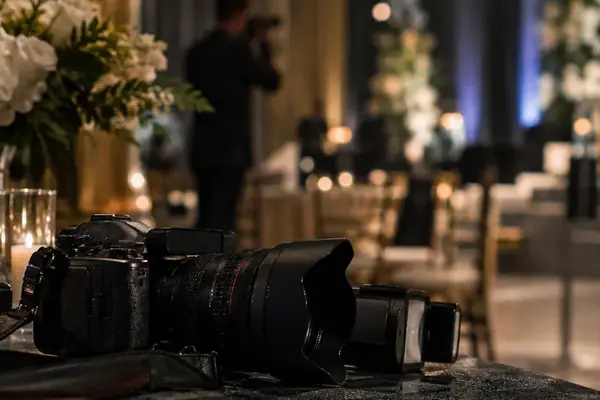
The Candid & Stylish approach yields highly authentic imagery because it accepts wind, water, seasonal texture, and imperfect movement as part of the record. It is also constrained by available natural light and sudden meteorological shifts. Heavy cloud cover can drop ambient exposure below viable shutter speeds for moving subjects, especially when documentary realism depends on motion, gesture, and uninterrupted behavior. At that point, supplemental off-camera flash is not a stylistic indulgence; it is the tool that keeps the image legible.
Boundaries Set Before the Wedding Day
Client consultations should establish strict weather contingencies early. The conversation is not about pessimism. It is about replacing the illusion of control with technical preparedness.
Discuss rain, wind, cold, and waterfront exposure before finalizing the portrait schedule.
Identify covered locations that still belong visually to the venue.
Protect lens choices when coastal wind or lake spray is likely.
Adjust the ratio of ambient to artificial light based on the severity of an incoming storm front.
One avoidable failure case is attempting to use standard non-weather-sealed portrait lenses in post-hurricane coastal winds without protective filters. The risk is not abstract. Salt air, grit, and moisture can compromise image clarity and equipment handling at the exact moment the photographer needs to work quickly.
Important: Environmental wedding photography depends on client flexibility and photographer readiness, not on the promise that the setting will behave.
Results: A Candid and Stylish Record
The strongest result across these case studies is not a single dramatic frame. It is the way each wedding becomes visually distinct because the environmental challenge remains visible in controlled measure.
At Deep Creek Lake, Maryland, the water position gave Carrie and Tyler’s sailing history physical credibility. In Lewes, tight post-hurricane compositions protected the dignity of both the couple and the recovering community. In the venue-driven weddings, high-end fashion and handmade detail shared the same lighting logic. In the engagement sessions, early visual decisions prepared the wedding day to feel continuous rather than improvised.
The Album as Documentary Structure
The final album sequence matters. Karlo Photography’s process curates high-end fashion portraits beside raw environmental moments so the record does not flatten into one mood. A polished dress portrait can sit near a wind-marked waterfront frame. A homemade cupcake can follow a refined floral detail. A quiet engagement image can anticipate the emotional architecture of the ceremony.
Results show themselves in coherence. Not sameness, but coherence.
That is the enduring value of documentary realism in wedding photography: it respects the event as it happened while still shaping it with taste, timing, and technical discipline. For destination weddings across Maryland and the broader Mid-Atlantic, the legacy is not perfect weather. The legacy is a visual record that could not have been made anywhere else.