The Psychological Barrier of the Lens
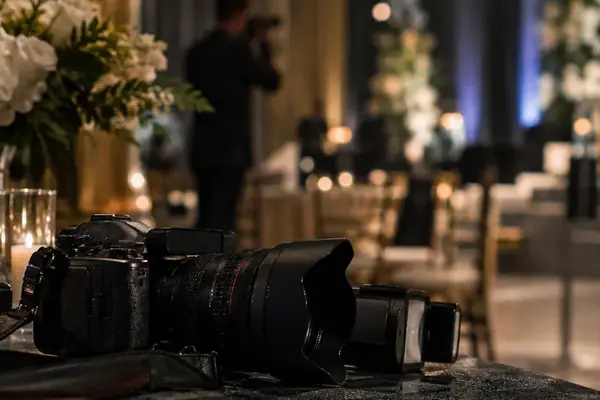
A camera changes a room. The moment it appears, shoulders square up, smiles stiffen, and the easy rhythm of conversation breaks into something performed. I have watched it happen hundreds of times, and the tension is almost physical—a subtle bracing, as if the lens were an instrument of judgment rather than memory.
My response to this is not technical at first. It is human. I keep the camera lowered on its strap and simply talk, deliberately delaying that first click until the room forgets I am working. The goal of those opening minutes is to establish a baseline of relaxed body language, a reference point I can return to once the shooting begins in earnest.
This is where I lean on three pillars working in concert: the structure of Traditional portraiture, the intentionality of Artistic composition, and the honesty of Candid observation. None of them disarms a subject alone. Balanced together, they create a kind of permission—the sense that the person in front of me can simply exist.
And here is the principle that governs everything that follows. A tack-sharp file is only half of a photograph. Focus, exposure, and tonal accuracy are table stakes; the emotional resonance is what determines whether an image is worth keeping. You can nail the technical execution and still produce something hollow.
Undercover Tactics for Unfiltered Emotion
Some emotions cannot be requested. They can only be caught.
Consider Jeff and Karen's re-proposal after nearly thirty-eight years of marriage. Capturing genuine surprise meant the camera could not announce itself, so the team coordinated through Bluetooth earpieces alongside Jason Holland of Travel Simplicity, who managed the on-the-ground choreography. The original idea was to shoot from a hidden, fixed vantage point. We abandoned it quickly.
A static long-lens position flattens the background and produces a voyeuristic, emotionally distant frame—the opposite of intimacy. So the approach shifted to moving discreetly within the scene, treating the partner as a coordinating ally rather than an obstacle to hide behind.
The timing was unforgiving. There was somewhere around a 45-second operational window between the pre-arranged text signal and the instant Jeff dropped to one knee. Within that span, mobile coordination had to be silent, exact, and invisible.
Undercover Proposal Coordination Checklist
- Synchronize mobile device clocks to the exact second for precise text-cue timing.
- Establish a 'go-word' or visual cue with the partner to signal the start of the proposal.
- Map out pedestrian traffic patterns at the location to maintain clean sightlines.
Field Note: Bluetooth coordination only works if the partner rehearses the signal beforehand. A confused glance at a buzzing phone can dissolve the entire surprise.
Narrative Storylines Over Static Poses
The fastest way to free a subject from self-consciousness is to give them something to do. When the mind is occupied with experiencing a moment, it stops auditing how it appears. A storyline does precisely that.
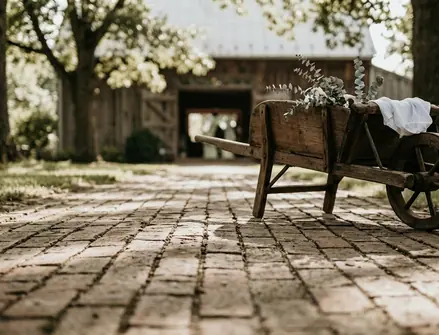
With Samantha and David, the shooting sequence was dictated by the anticipated album design rather than a checklist of poses. I directed fluid walking prompts—a turn, a shared laugh mid-step, a pause to look back, intentionally capturing motion instead of rigid holds. Because I already knew which frames needed to breathe across a two-page spread, I could direct in real time toward those gaps.
The same logic carried through Megan and Hans's wedding coverage. Anticipating the final layout means thinking in sequences: an opening gesture, a build, a resolution. Subjects move through these beats naturally, and the resulting images read like a progression rather than a row of disconnected portraits.
Static posing asks people to freeze. Narrative direction asks them to live, and the camera quietly records the difference.
Orchestrating the Environment for Comfort
Environment shapes psychology long before the first frame. A cluttered, chaotic set keeps subjects on edge; a coherent one lets them settle. This is why conceptual sessions demand as much design discipline as the shooting itself.
The Emerald City styled shoot is a useful case. Working alongside Reina Pomeroy of Sweet Details Events and Illiah Manger of TwoTwentyTwo Design, we built the concept around the 2013 Pantone Color of the Year. The instinct might be to flood the backdrop with that green. We did the opposite.
The decision—made collaboratively rather than imposed—was to restrict the color to accent textures instead of large backdrops, preventing the palette from overwhelming the subjects and dominating the frame. Restraint kept the environment immersive without turning it into a distraction.
That kind of seamless collaboration matters more than any single design element. When event professionals handle the setting with precision, the subject inhabits a world that feels intentional and calm, and a calm subject is an honest one.
Technical Mastery as a Foundation for Empathy
There is a direct, often overlooked line between a photographer's technical confidence and a subject's peace of mind. People sense hesitation. When the photographer fumbles with settings, the energy in the room drains; when adjustments happen invisibly, the subject stays immersed in the moment.
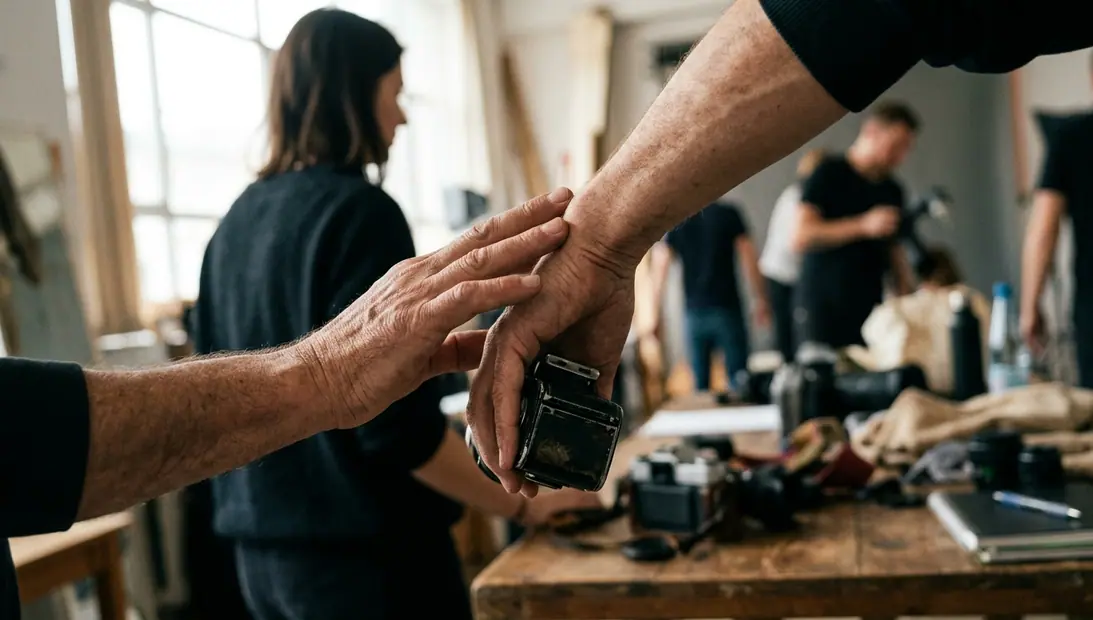
This is the entire premise behind how I approach instruction. In ongoing 1-on-1 partnerships—including collaborative sessions connected to Perfect Image Camera Repair—the curriculum prioritizes tactile muscle memory over theoretical exposure triangles. The aim is to adjust aperture and shutter speed by feel, without breaking eye contact or interrupting the conversation that keeps a subject relaxed.
Introductory DSLR classes build the foundation, but fluency comes from repetition under real conditions. That confidence is what lets a photographer stay present.
The same standard governs the team. Primary shooters like Miville Photography hold the calm, professional tone of a set, and interns earn their footing gradually—completing in the neighborhood of three to four full-day shadowing sessions before taking on secondary shooting responsibilities. Jana Rostron came up through exactly that path. The point is not gatekeeping; it is ensuring that everyone behind the lens contributes to the subject's sense of ease rather than undermining it.
The Limits of Observation and Client Trust
I want to be honest about where pure candid work breaks down, because pretending otherwise would be its own kind of dishonesty.
Observation alone is not enough. Some moments require gentle, authoritative direction to succeed, and the necessary ratio of candid to directed shifts with the timeline—a compressed twenty-minute cocktail-hour portrait session demands far faster, firmer posing than a leisurely engagement walk. One catch sharpens this further: relying entirely on candid observation fails under harsh midday sun, where subjects squint involuntarily and need deliberate repositioning into open shade to hold flattering light.
Working with clients like Janet and Denny Barnes taught me to read fatigue actively. When pure observation began yielding repetitive or closed-off posture, I stepped in with quiet direction—a small adjustment, a new prompt—to reopen the moment rather than waiting passively for it to return. Their trust made that intervention possible.
I should add one qualifier honest work demands. These methods reflect my own pattern across these sessions, not a universal formula; every subject carries a different threshold for the camera, and reading that threshold is the real skill.
Bottom Line: Natural photography is not the absence of direction. It is a collaborative trust exercise between the lens and the subject—knowing when to disappear, and when to gently step in.