The End of the Stiff Studio Portrait
Does a rigid, seamless paper backdrop still communicate professional competence? Today's transparent business environment demands more. The tension between outdated visual representation and modern consumer expectations for authenticity is palpable—a single stiff image can subconsciously undermine a professional's perceived adaptability.
The shift away from seamless paper backdrops began by observing how subjects' posture visibly relaxed when they stepped out from under the modeling lights and into the natural light of the studio lobby. That physical relaxation translates directly into visual trust.
Tracing the Mid-Atlantic Visual Shift
Corporate photography across Pennsylvania and Maryland business hubs has evolved significantly. In my commercial practice, I have seen the transition from uniform, assembly-line studio photography to highly individualized environmental portraits. Regional architecture became a crucial storytelling element.
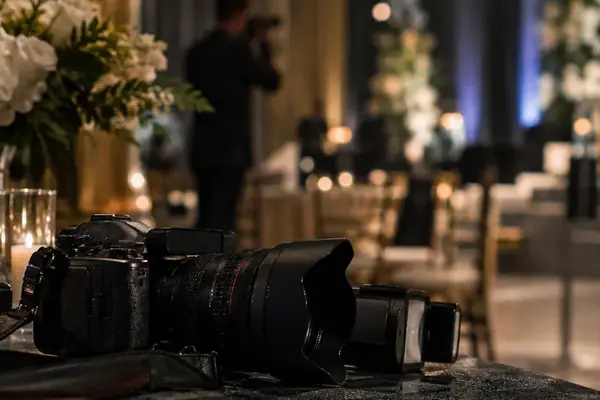
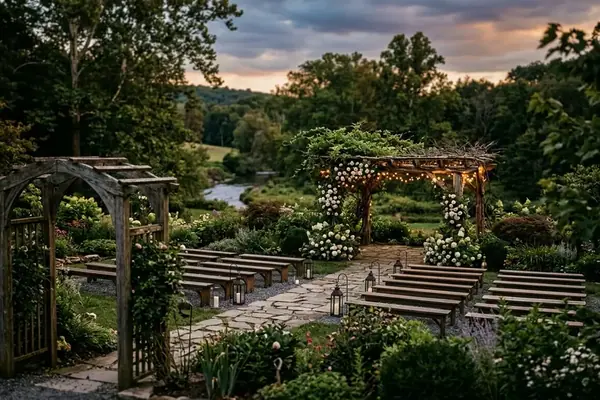
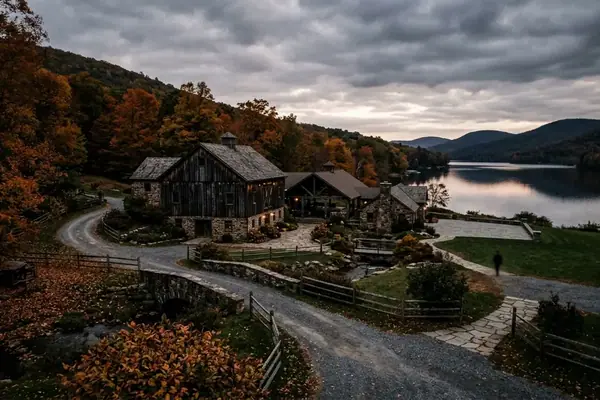
Photographers actively mapped out local architectural textures, deciding to blend ambient window light with subtle off-camera strobes to highlight regional character rather than masking it. Whether capturing the rustic textures near Deep Creek Lake, MD, the exposed brick in Baltimore, or the modern glass in Philadelphia, context matters. In my commercial practice, scheduling sessions between 8:30 AM and 10:15 AM often captures favorable directional morning light bouncing off modern glass facades.
The Psychology of Authentic Brand Imagery
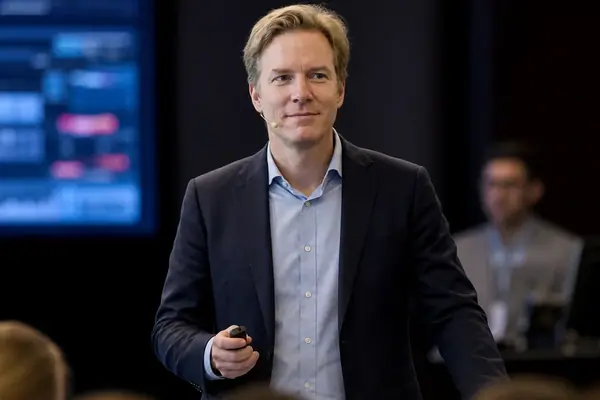
Visual authenticity directly impacts B2B and B2C trust formation. The cognitive processing of environmental cues in a photograph differs vastly from a blank studio backdrop. Seeing professionals in their natural working environment reduces psychological friction for potential clients.
To achieve this, creative direction focused on incorporating depth-of-field blur, ensuring the subject remains the sharpest point of contrast while the brain subconsciously processes the environment. According to reports, including research on facial trustworthiness and first impressions, context and approachability are evaluated in milliseconds. While sample sizes vary by sector, the psychological preference for contextual imagery remains consistent.
Environmental Portraits vs. Traditional Headshots
Comparing a standard headshot against an environmental portrait reveals distinct differences in brand alignment.
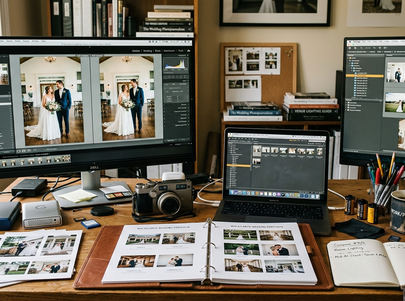
Deconstructing the Frame
This approach deconstructs the elements of a successful portrait. Precise depth of field, natural lighting, and a contextual background must align with the specific brand archetype of the organization.
Navigating Industry Constraints and Limitations
Environmental portraits are not universally applicable. Highly regulated sectors face strict limitations. In multi-year partnerships with regional healthcare networks, cross-checking confirmed that certain certified medical directories mandate pure white (RGB 255, 255, 255) or specific grey hex codes for background extraction, completely precluding the use of environmental office elements.
When a standardized, neutral background is legally required, strategies exist to inject warmth. For these sectors, the lighting design was adapted to retain the required neutral background while introducing a three-point setup with a warmer gel on the rim light, mimicking natural sunlight.
Important: Relying entirely on ambient office lighting without strobe balancing results in sickly skin tones caused by the mixed color temperatures of overhead fluorescents and window daylight.
Executing a Modern Corporate Session
Planning a modern corporate photoshoot in an office environment requires a methodical approach. The standard scheduling workflow was restructured to mandate a pre-shoot spatial walkthrough, allowing the photographer to map out light direction, identify reflective surfaces, and clear background distractions.
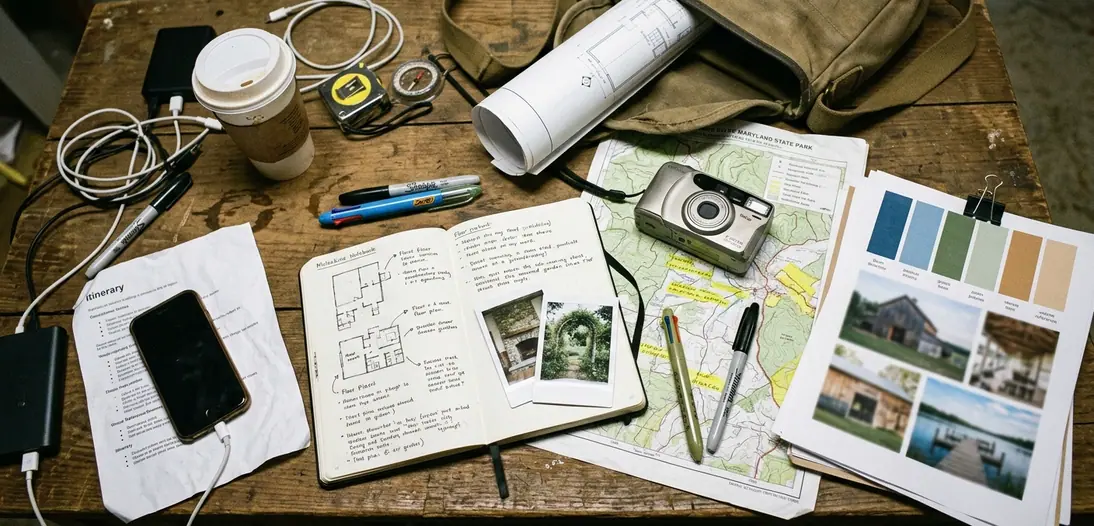
The Spatial Walkthrough Workflow
- Allocate in the neighborhood of 45 to 60 minutes for the initial environmental scouting.
- Adjust the ratio of artificial strobe to ambient light based on the reflectivity of the specific office architecture, requiring different diffusion techniques for matte exposed brick versus highly reflective glass conference rooms.
- Dedicate close to 12 to 15 minutes of shooting time per subject.
Field Note: Wardrobe selection and spatial planning must harmonize with the chosen environment, whether a downtown high-rise or a retreat near Deep Creek Lake, Maryland.
Maintaining guaranteed visual consistency across a growing team while preserving individual personality is the ultimate goal.
Bottom Line: Authentic brand imagery requires deliberate technical execution and a deep understanding of environmental context.