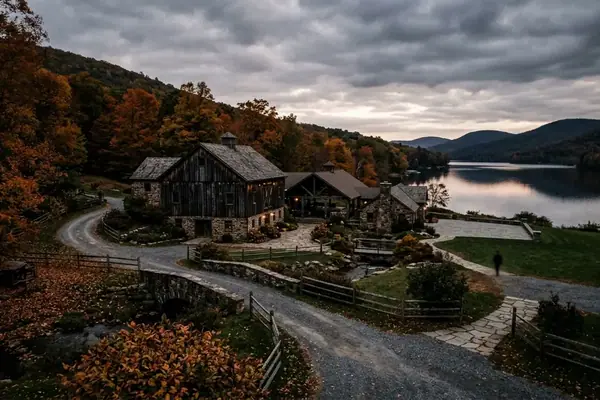
The Digital Maitre D': A Scene from the Modern Dining Room
A bustling Friday night service in a Philadelphia restaurant sets a familiar stage. The ambient tungsten lighting of the dining room casts a warm, inviting glow across the tables. A diner sits at a prime corner booth, but their face is illuminated by the cool, localized glow of a smartphone screen. They are studying a perfectly lit image of a signature dish.
This interaction happens before they even touch the physical menu.
Restaurants routinely pour immense capital and labor into the physical kitchen. Executive chefs obsess over ingredient sourcing, while front-of-house managers refine the service choreography. The digital storefront often receives a fraction of this attention. When visual assets fail to match the quality of the culinary execution, venues risk losing patrons before they ever smell the food.
The modern culinary experience begins visually. High-end photography operates as critical infrastructure for hospitality brands.
The Cognitive Mechanics of Visual Appetite
Gastrophysics explores how external stimuli preemptively shape taste expectations and dining decisions. The Mid-Atlantic hospitality sector has largely transitioned from traditional word-of-mouth recommendations to visual-first discovery. Diners scroll through curated feeds to validate their choices.
High-quality imagery directly reduces perceived risk for consumers booking high-ticket reservations or private event spaces.
The NCBI literature on visual food cues and cognitive processing demonstrates how the brain anticipates flavor profiles. Translating this science into a visual medium requires emphasizing color saturation and textural contrast. A vibrant red berry reduction placed against a stark white plate commands attention. The contrast triggers an immediate, visceral appetite response.
Lighting, Texture, and the Anatomy of a Profitable Image
Commercial food photography demands precise technical implementation. The goal is capturing the delicate glisten of a reduction, the airy crumb of artisanal bread, or the crisp condensation on a cocktail glass.
The production team rejected the outdated industry practice of using artificial styling agents like motor oil or glycerin—choosing instead to implement a rapid-capture workflow that photographs the actual food meant for consumption. While this rapid-capture methodology requires intense coordination between the kitchen and the camera, the resulting authenticity justifies the effort.
Success relies on a plating-to-capture window of somewhere around 3 to 4 minutes before hot food loses its natural glisten.
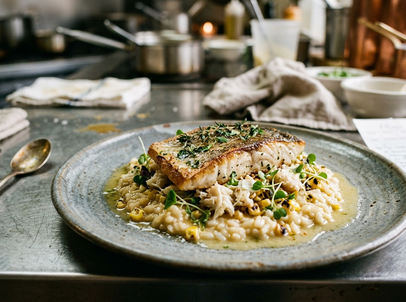
Professional understanding of directional lighting separates bespoke commercial work from standard smartphone captures. A lens close to 100mm at f/2.8 provides the compression and clarity needed for culinary subjects. Manipulating the depth of field directs the viewer's eye to the most appetizing elements of a dish, driving immediate emotional engagement.
Lighting strategies must adapt to the environment. Adjusting strobe diffusion heavily depends on whether the restaurant features matte reclaimed wood tables or highly reflective marble surfaces.
Qualitative Impact: Elevating Maryland and Pennsylvania Venues
Regional restaurants and event spaces that successfully rebrand their visual identity can see a shift in clientele demographics. Consider the luxury event spaces surrounding Deep Creek Lake, Maryland. These venues rely on destination bookings where the client may never visit the property before signing a contract.
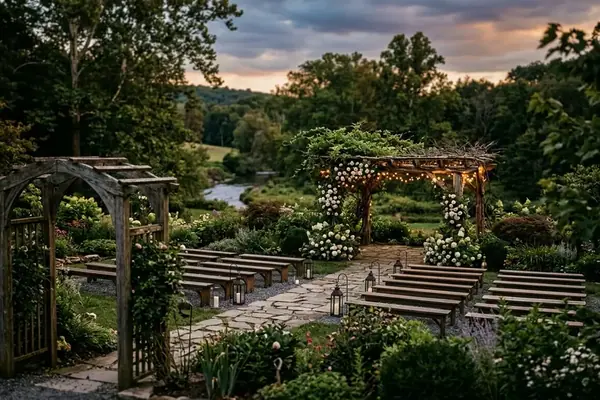
A campaign for a resort in Deep Creek Lake, MD, highlighted the dual importance of interior architectural photography alongside food plating. The visual assets must convey the complete ambiance of the venue.
To convey this complete venue experience, the shoot schedule was divided into two distinct phases. The team focused on capturing wide architectural interiors using tilt-shift lenses during early morning light, followed by the culinary plating sessions in the afternoon.
Securing Pristine InteriorsCapturing pristine architectural interiors requires completely empty dining rooms, meaning these specific shots must be scheduled on the venue's closed days rather than squeezed into pre-service prep hours.
Consistent, high-end visual assets align a restaurant's digital presence with its actual price point and service level.
Strategic Implementation for Culinary Brands
Planning a commercial shoot requires meticulous scheduling to avoid disrupting daily kitchen operations. Shooting hot dishes under slow-cycling fluorescent kitchen lights results in uncorrectable green color casts. The photography team must control the environment.
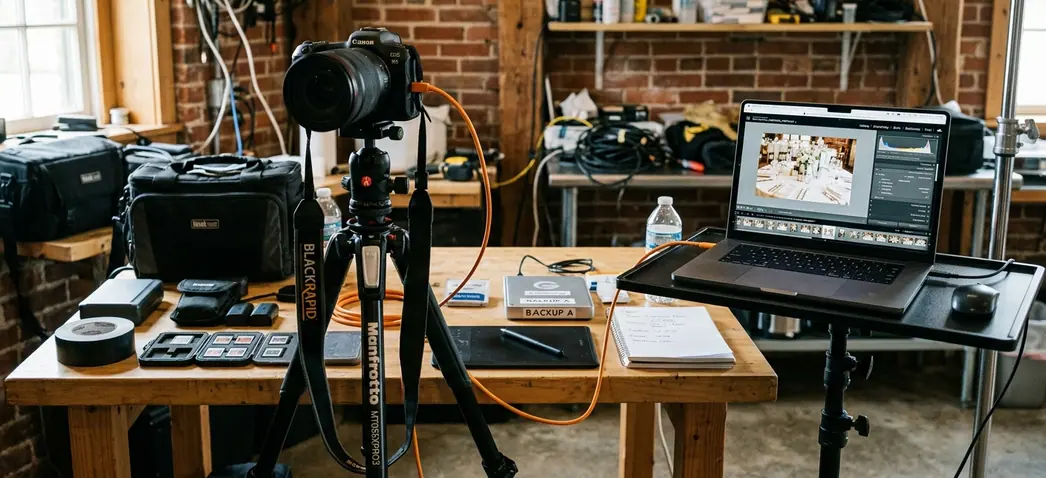
To maintain consistency, the photographer established a tethered capture station in an adjacent private dining room. This setup requires a dedicated footprint in the neighborhood of 45 to 60 square feet for the tethered capture station and lighting modifiers. It allows the executive chef to review high-resolution images immediately, ensuring the brand's unique culinary philosophy translates accurately to the final files.
Building the Asset Library
- Wide Environmental Shots: Establish the mood and scale of the dining room.
- Macro Details: Highlight the texture and freshness of individual ingredients.
- Action Sequences: Capture the kinetic energy of chefs plating during service.
A versatile visual asset library fuels multi-channel marketing campaigns across web, print, and social media platforms.
The Final Frame: Photography as Cognitive Infrastructure
Final image selection for the portfolio prioritized frames that demonstrated extreme depth of field control. This technique ensures the viewer's eye is immediately drawn to the most appetizing textural element of the dish.
The photograph is often the first version of a dish a diner encounters, appearing before the menu description or the plate itself.