Anticipating the Hershey Ballroom Transition
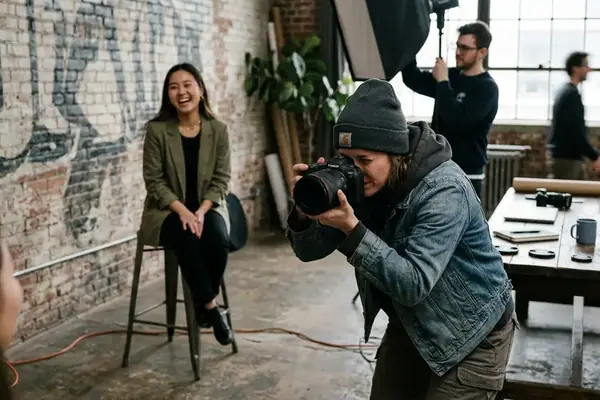
The applause inside the Hershey conference hall signals a distinct atmospheric shift. Hundreds of attendees shift in their seats, notebooks close, and the rigid attention demanded by the stage dissipates. The main keynote concludes. Almost immediately, the room transitions into an unscripted networking session. Lighting drops as the AV team shifts the mood. Formal structure dissolves entirely. Real cultural documentation begins in this exact window. Corporate event photography centers on anticipating the human moments that happen between the itinerary lines.
We mapped the room's transition sequence during the morning rehearsal. A critical 90-second transition window exists between the final keynote applause and the opening of the networking floor doors. In that minute and a half, executives step off the podium, colleagues reunite in the aisles, and the most genuine expressions of relief and camaraderie surface. Attempting to adjust settings on the primary stage camera as the house lights dim guarantees missed interactions. I pre-set a secondary camera body specifically for the ambient drop. This dedicated setup allows for an instantaneous switch from the bright, strobe-lit stage exposure to the dim, moody atmosphere of the transitioning hall.
Mapping the Ambient Drop
Always pre-set a secondary camera body specifically for the transition from stage lighting to ambient room lighting. Attempting to adjust ISO and white balance on a single body during a 90-second window ensures missed interactions.
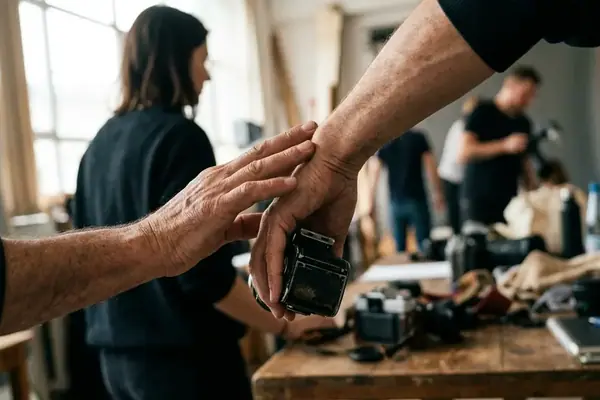
The tactile process of switching camera bodies must become muscle memory. When the house lights fade, the primary camera with its tight telephoto lens and strobe-balanced settings becomes temporarily useless. The secondary body, equipped with a fast prime lens and high ISO settings, immediately takes over. This seamless transition ensures continuous coverage during the most vulnerable and authentic moments of the event.
Executing the Spatial Strategy for the Hershey Leadership Summit
During the three-day scope of the Hershey Leadership Summit, the client presented a familiar dual mandate. They required highly polished, formal keynote imagery alongside authentic, candid cultural documentation. These two requirements conflict during real-time event coverage. They demand distinct technical approaches and spatial awareness. A photographer cannot physically occupy the center aisle for a tight headshot and simultaneously roam the perimeter for wide environmental portraits.
To fulfill both the PR requirement for crisp stage shots and the HR requirement for candid cultural documentation, the coverage strategy was split spatially. We anchored one photographer at the center-aisle riser. This position utilized 70-200mm focal lengths for compressed stage isolation, securing tight executive portraits. The long lens compresses the background, eliminating distracting stage elements and focusing entirely on the speaker's expression.
A second photographer roamed the perimeter with 35mm focal lengths for environmental floor interactions. This wider field of view captures the context of the room, specifically targeting audience reactions and side-conversations. The 35mm lens forces the photographer to engage with the space, moving through the crowd to find compelling compositions. This spatial framework ensures neither the formal presentations nor the spontaneous interactions suffer. The client receives a complete visual record that satisfies multiple departmental needs.
Communication between the two photographers remains critical throughout the keynote. Subtle hand signals and pre-determined sightlines prevent one photographer from accidentally wandering into the background of the other's frame. This coordinated spatial dance allows for full coverage without disrupting the attendee experience.
Resolving Historic Venue Chandelier Interference
Grand, historic Pennsylvania venues introduce specific environmental challenges that test the limits of standard event coverage. A severe clash occurs between chandeliers close to 3200K and sharp AV stage strobes in the neighborhood of 5600K. The warm, orange glow of the historic fixtures fights aggressively against the cool, daylight-balanced flashes emitting from the stage truss. This color temperature mismatch creates unnatural skin tones, muddy backgrounds, and a visual inconsistency that ruins the editorial feel of a gallery.
The initial plan to deploy stationary off-camera flash umbrellas in the ballroom corners was rejected during the site walkthrough. The sudden bursts would have disrupted the executive speaker's cadence and cast harsh, distracting shadows against the historic crown molding. Off-camera flash provides optimal exposure for controlled portraits. Its deployment during live executive keynotes remains strictly limited to avoid breaking the speaker's concentration. We relied entirely on fast prime lenses and mapped custom white-balance zones across the floor.
Tungsten-to-Strobe White Balance Mapping requires precise execution and constant vigilance. The photographer must manually adjust the camera's color temperature setting as they move between the strobe-lit stage area and the tungsten-lit perimeter. Fast prime lenses guarantee superior light gathering in these historic venues, allowing for clean exposures without artificial supplementation. Relying on custom white-balance zoning degrades rapidly in venues where AV teams employ dynamic, color-shifting LED washes rather than static daylight strobes.
LED Wash Interference
Custom white-balance zoning is highly effective with static lighting, but it fails when AV teams use dynamic, color-shifting LED washes. In these environments, rely on raw file latitude and fast prime lenses to manage the shifting color spectrum.
Similar lighting complexities arise during executive retreats at Deep Creek Lake, Maryland. The rustic lodge lighting often competes with modern presentation screens brought in for the weekend. The warm firelight and incandescent bulbs create a cozy, intimate atmosphere that is easily destroyed by a poorly balanced flash. Mastering the ambient light preserves the authentic mood of the venue, ensuring the final images reflect the actual experience of the attendees.
Positioning for Unscripted Floor Interactions
The unstructured portions of a multi-day retreat require a specific positioning methodology that prioritizes observation over direction. Reading body language and room flow allows you to anticipate where executive interactions will occur before they happen. People naturally gravitate toward specific areas during breaks, forming temporary hubs of conversation.
Rather than following executives directly, I identified high-traffic transition nodes—the space between the coffee service and the main exit corridors proved highly active. Establishing a fixed position there allows natural interactions to unfold into the frame. You become part of the environment rather than an intrusive observer. This stationary approach reduces the visual noise of a photographer constantly moving through the crowd.
Maintaining a physical distance of somewhere around 12 to 15 feet preserves candid authenticity. This distance keeps the frame clean and unobstructed while ensuring the subjects remain entirely unaware of the documentation process. A longer focal length facilitates this working distance, compressing the background and isolating the subjects within their environment. The subjects interact naturally, free from the performance anxiety that often accompanies a camera's close presence.
Whether navigating a crowded ballroom in Hershey or a lakeside networking deck at Deep Creek Lake, MD, this geometric approach yields the most genuine cultural artifacts. The photographer acts as a silent observer, capturing the subtle dynamics of professional relationships. A 35mm focal length captures environmental context effectively when moving closer is required, balancing the need for intimacy with the requirement for spatial context.
Segmenting the Deliverable Archive for Organizational Utility
The final deliverable structure dictates the long-term utility of the visual assets. During post-production, the editing team deliberately segmented the image gallery into distinct metadata-tagged folders. This organization prevents the final gallery from becoming an overwhelming, unusable dump of files.
External PR teams require immediate access to high-contrast stage shots for press releases. They should never have to sift through hundreds of internal networking candids to find them. We established a 24 to 48-hour turnaround for external PR selects. These images are processed for maximum impact, ensuring the executives look authoritative and the branding is clear.
The cultural archive followed on a 10 to 14-day delivery window. This collection serves internal HR and culture-building initiatives. It contains the quiet moments, the shared laughs, and the genuine connections that define the organization's internal life. This segmentation serves distinct organizational needs.
The qualitative success of the coverage is measured by the broad utilization of these diverse assets across the organization's communication channels.
Asset Utilization Framework
| Asset Category | Primary Organizational Use | Technical Approach | Delivery Window |
|---|---|---|---|
| Keynote Selects | External PR, Press Releases, Annual Reports | High-contrast, tight focal length (70-200mm), strobe-balanced | 24–48 hours |
| Cultural Candids | Internal HR, Culture Building, Recruitment | Ambient-balanced, wide focal length (35mm), unscripted | 10–14 days |
Proper metadata tagging further enhances the utility of the archive. By embedding specific keywords related to leadership, collaboration, and venue location, the organization's internal teams can easily search and retrieve the exact images they need months or years after the event concludes.
Evaluating the Cultural Narrative of Your Summit
Treating a corporate summit as a documentary project yields significant long-term value. The true culture of an organization lives in the unscripted margins of the event. It exists in the hallway conversations, the shared meals, and the moments of quiet reflection between sessions.
Prioritizing the Unscripted Margin
The true culture of an organization is rarely found on the main stage. Dedicate specific coverage time to the transition nodes, hallways, and coffee stations where genuine professional relationships are built.
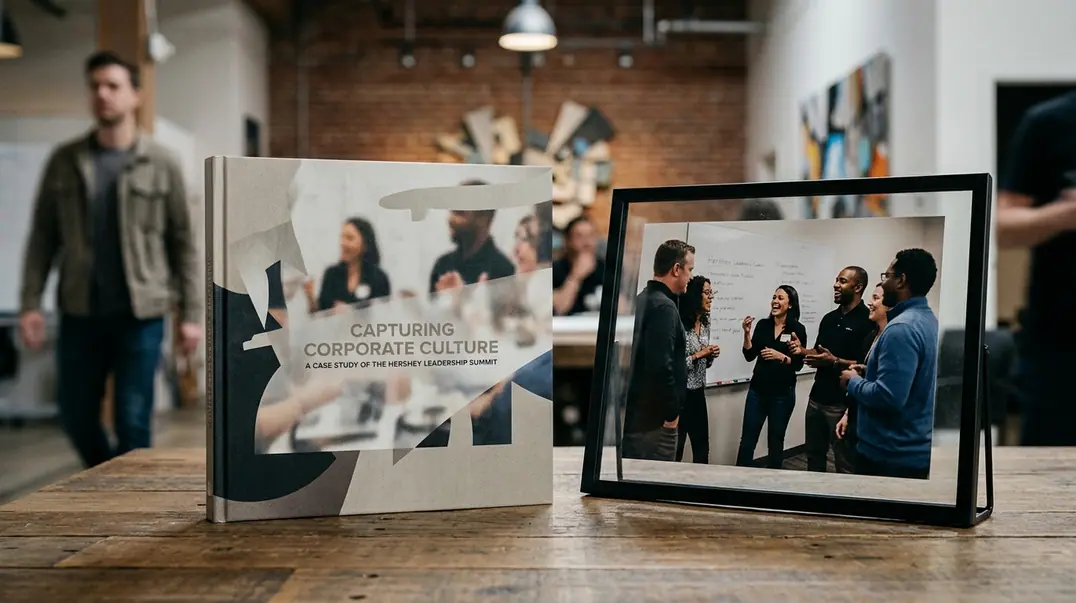
The final review process involved placing the delivered gallery side-by-side with the client's original shot-list. This step specifically verified that the unscripted, documentary-style images outweighed the formal grip-and-grin setups, confirming the cultural narrative was successfully captured. A shot-list provides a necessary baseline, ensuring key stakeholders are documented. The real value emerges when the photographer transcends that list to capture the unexpected.
The final gallery audit revealed that unscripted documentary-style images outweighed the formal grip-and-grin setups. Employees respond to authenticity. They recognize the genuine dynamics of their workplace in these candid frames. These images become powerful tools for recruitment and internal alignment, showcasing a vibrant, connected workforce rather than a stiff, corporate facade.
When you review your own organization's visual archives, do you see a genuine reflection of your culture, or just a series of staged handshakes?